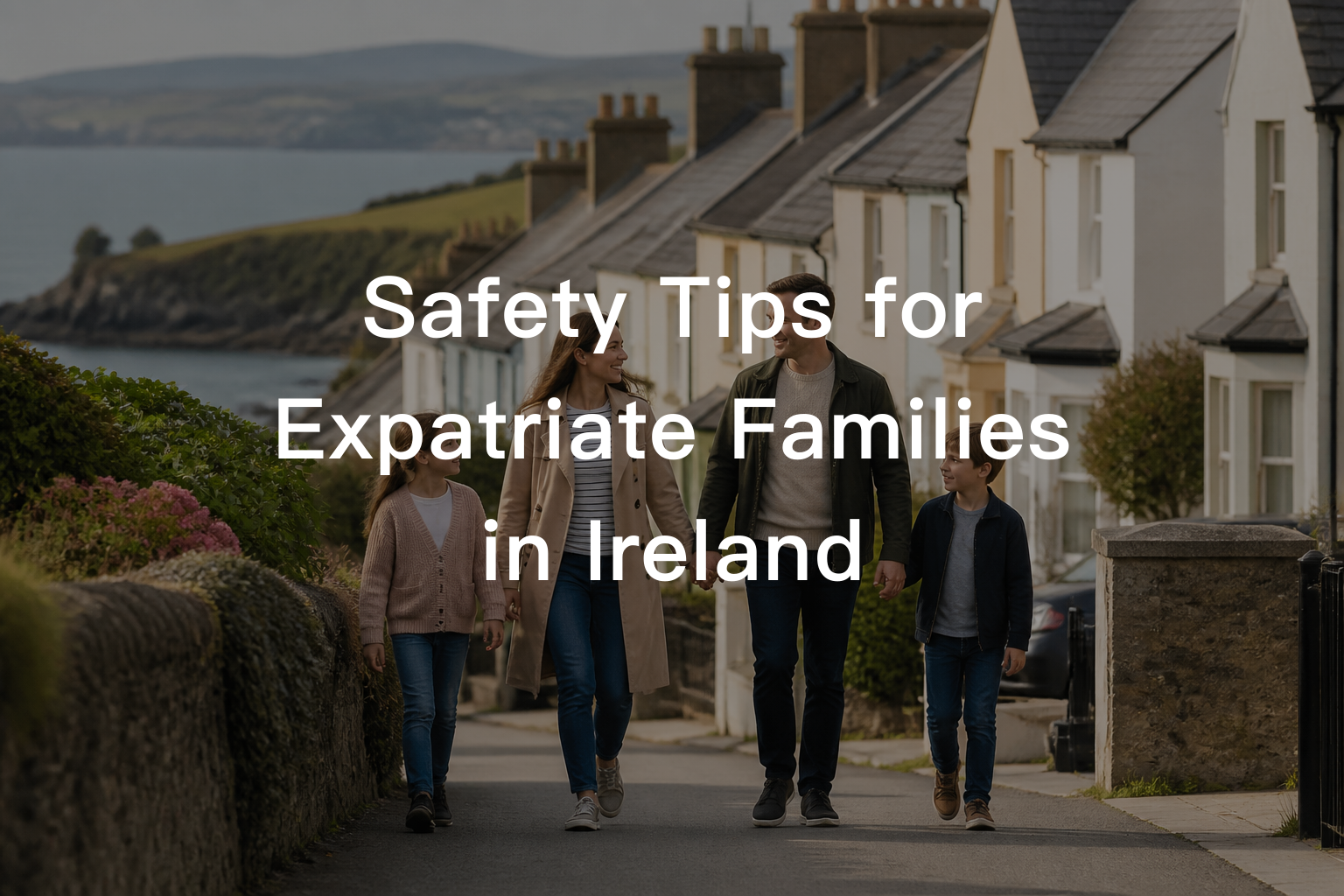
Discover essential safety tips for expatriate families in Ireland, covering personal, children's safety and emergency resources.
Understanding the Irish Safety Landscape
Moving to Ireland offers expatriate families a unique blend of vibrant culture and a welcoming community. However, understanding the local safety landscape is crucial. Ireland, particularly cities like Dublin, Cork, and Galway, is generally considered safe, ranking high on the Global Peace Index. Yet, like anywhere, staying informed can help avert potential issues.
Familiarise yourself with the local laws and customs. For instance, Ireland has strict drink-driving laws with severe penalties for violations. It's also advisable to register with the local embassy or consulate, providing them your contact information for emergency purposes.
- Engage in local community events to gain a better understanding of neighbourhood safety.
- Utilise resources like An Garda Síochána (Irish Police) for concerns or safety tips.
- Consider participating in community watch programmes, which can offer additional insights and a sense of belonging.
Ensuring Personal Safety in Daily Life
Personal safety in Ireland begins with being aware of your surroundings, particularly in busy urban centres. While crime rates are relatively low, petty thefts like pickpocketing in tourist-heavy areas are not uncommon. To mitigate risk, avoid displaying valuables in public, and be cautious when withdrawing cash from ATMs.
Public transport is generally safe, yet it’s prudent to remain vigilant, especially during late hours. In Dublin, for instance, services like the Dublin Bus and Luas Tram have CCTV and security personnel, but incidents can still occur. Use ride-sharing apps like Free Now as alternatives when necessary.
- Always share your travel plans with family or friends.
- Keep emergency contact numbers accessible, including the Gardaí and local hospital.
- Consider self-defence courses for an added layer of personal safety.
Children’s Welfare: Education and Safety
For expatriate families, ensuring the safety and well-being of children is paramount. Irish schools, such as St. Andrew's College in Dublin or The King's Hospital in Palmerstown, not only focus on high educational standards but also on student safety. The average annual tuition for international students ranges from €5,000 to €10,000, depending on the institution.
Schools typically have robust child protection policies. Nonetheless, parents should remain engaged with school activities, understand the protocols in place, and ensure their children know how to communicate any concerns. Afterschool activities like sports or arts are also excellent for social integration but should be supervised.
- Visit schools and interact with teachers to understand safety measures.
- Brief children on who they can approach within the school for any issues.
- Encourage open communication about school experiences and any discomforts.
Navigating Health and Medical Resources
Access to healthcare is a critical component for expatriate families settling in Ireland. The Irish healthcare system is robust, with public hospitals like St. James's Hospital and Mater Misericordiae University Hospital providing comprehensive services. However, long waiting times in public healthcare settings can be a concern.
Consider securing private health insurance through providers such as VHI or Laya Healthcare. This not only reduces waiting times but also offers access to a wider range of specialists. Ensure all family members are registered with a local GP, as they serve as the first point of contact for most health-related issues.
- Familiarise yourself with the nearest emergency services and hospitals.
- Keep a medical history file for each family member, including allergies and prescriptions.
- Explore the benefits of health insurance plans specific to expatriates.
Emergency Resources and Preparedness
Understanding available emergency resources is vital for expatriate families. Knowing whom to contact and where to go in an emergency can significantly affect outcomes. In Ireland, the emergency services number is 112 or 999, connecting you to the ambulance, fire brigade, and police services.
Participate in local emergency preparedness programmes, often provided by community centres or city councils. These initiatives are designed to educate residents on handling situations like natural disasters or personal emergencies. Being aware of the evacuation procedures in your living area can also be lifesaving.
- Ensure every family member knows emergency numbers and procedures.
- Regularly check smoke alarms and carbon monoxide detectors in your home.
- Prepare an emergency kit with essentials like water, non-perishable food, and first-aid supplies.
Community Engagement and Networking
Establishing a network is not only a social advantage but also enhances safety for expatriate families in Ireland. Engage with local expatriate groups or forums, such as Internations or Meetup, which often host events tailored to specific interests and can provide invaluable local insights.
Building relationships with neighbours and participating in local activities can create a supportive safety net. Many expatriate families find comfort in connecting with others who have undergone similar transitions, sharing experiences, and learning from each other.
- Join online groups and forums to stay updated on local happenings.
- Attend community gatherings to meet both expatriates and locals.
- Exchange contact information with neighbours for mutual support.
Leveraging Technology for Safety
Technology plays an integral role in enhancing safety for expatriate families in Ireland. Mobile apps such as SafeZone, used by several Irish universities, allow you to request assistance or report incidents directly to campus security. Additionally, apps like MyTaxi and Free Now provide safe and reliable transportation options, ensuring you're never without a trustworthy ride.
Use local news apps to stay informed about current events and any regional safety advisories. The Dublin City Council website and its associated app can provide local alerts and public service announcements. By utilising these technological resources, families can stay better informed and prepared for any situation.
- Download safety and emergency apps for immediate access to resources.
- Utilise navigation apps to find the safest routes.
- Subscribe to local news alerts for real-time updates.
About Peterson Family Office
Peterson Family Office Limited was established in Dublin in 2022, serving high-net-worth international families with a focus on education pathway planning, tax advisory, and long-term family strategy. Our philosophy — Professional · Disciplined · Long-term Commitment — guides every aspect of our work. We combine deep knowledge of the Irish and European landscape with a genuine understanding of the needs of families relocating from Asia and beyond.
Our three core service areas — Education Pathway Planning, the 1+1 Dual Mentorship System, and Family Office Services — work together to support families at every stage of their journey in Ireland. To learn more about how we can help your family, visit About Peterson Family Office.
Related Articles
Seasonal Wellness Tips for Families in Ireland
Discover essential wellness tips for families in Ireland to stay healthy and happy throughout the year.

Family Cultural Exchange Opportunities in Ireland
Explore family-oriented cultural exchange opportunities in Ireland for better integration and understanding.
Integrating Chinese Families into Irish Communities: Practical Tips
Discover practical tips for Chinese families to seamlessly integrate into Irish communities using local resources and cultural events.