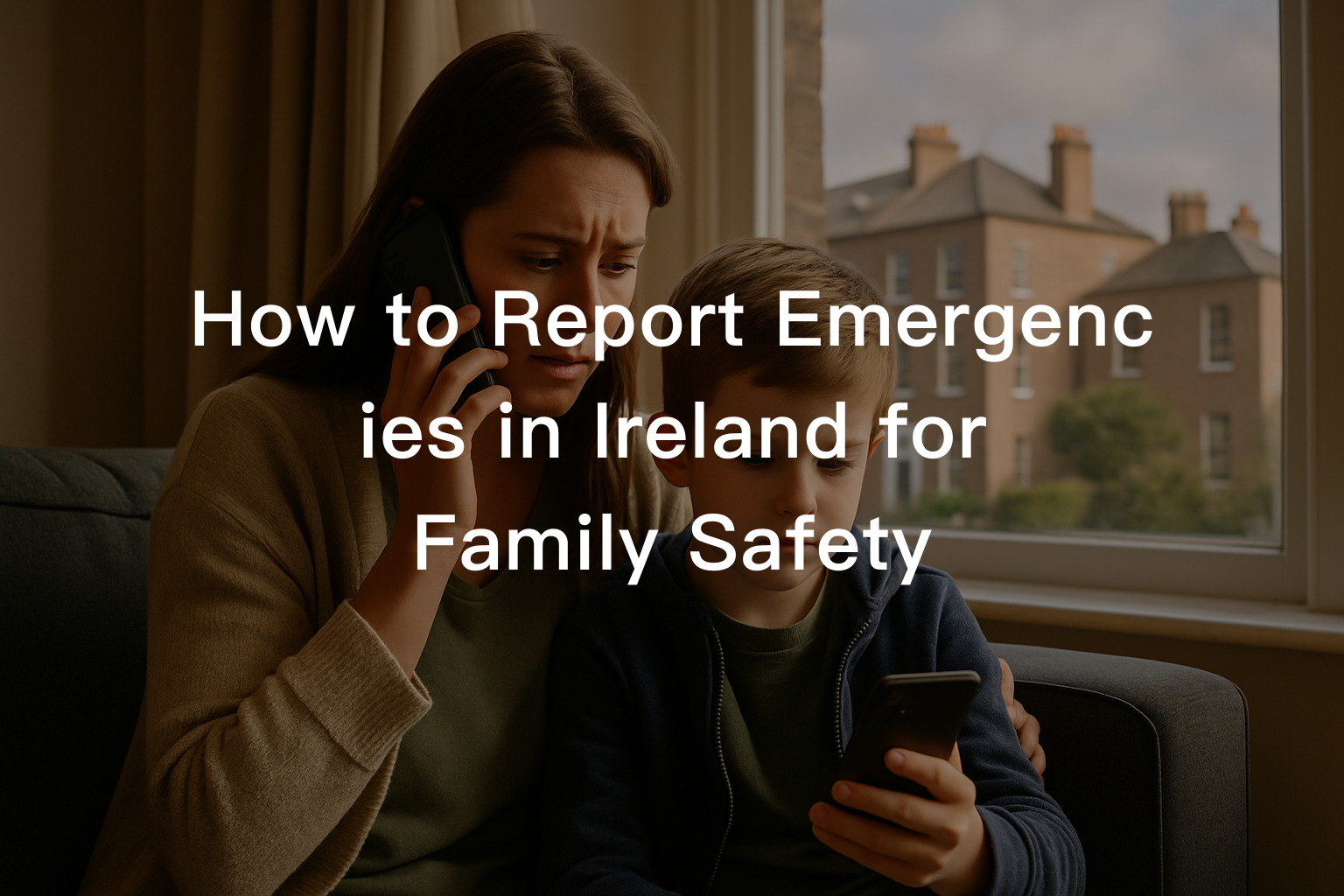
Learn the steps to report emergencies in Ireland, ensuring your family's safety with our expert guide.
Understanding Emergency Services in Ireland
In Ireland, the emergency services system is robust, providing comprehensive support for various incidents. The three main emergency services are the Garda Síochána (police), the fire service, and the ambulance service. Dialling 112 or 999 connects you to a central operator who will ask which service you require. These numbers are accessible from any phone, including mobiles without a SIM card.
Knowing when and how to contact emergency services is crucial. Whether you're handling a medical emergency, witnessing a crime, or dealing with a fire, prompt and precise communication is key. Families unfamiliar with the system may find it daunting, but understanding local protocols can significantly reduce response times and improve outcomes.
Every second counts in an emergency, so being prepared with basic language skills can be beneficial. For non-English speakers, especially Chinese families, learning key phrases or having a translation app handy can assist in conveying critical information swiftly.
How to Contact Emergency Services
In an emergency, providing clear and concise information is vital. After dialling 112 or 999, state your location, the nature of the emergency, and any immediate risks. For example, if you are reporting a fire, specify if people are trapped inside. The operator will guide you through the call, asking relevant questions to deploy the right services promptly.
For newcomers, understanding how to describe locations is crucial. Irish addresses can be non-intuitive, especially in rural areas. Familiarise yourself with nearby landmarks or notable buildings, as these can help direct emergency services more efficiently. If you are in Dublin, for example, referencing proximity to Trinity College or St. Stephen's Green can be helpful.
It is also worth noting that Ireland has a growing network of Community First Responders — volunteers trained to provide essential support until professional services arrive. These individuals often carry defibrillators and other life-saving equipment, which can be invaluable during critical health emergencies.
Navigating Healthcare Emergencies
Healthcare emergencies can be particularly stressful, especially if you're unfamiliar with the local system. Ireland operates a mixed public-private healthcare system. In emergencies, public hospitals generally provide immediate care. University College Dublin's Mater Misericordiae University Hospital is one of the leading institutions for emergency care in the country.
If you have private health insurance, you may prefer private hospitals like St. Vincent's Private Hospital. However, always prioritise proximity and the severity of the situation. In life-threatening scenarios, time is of the essence, and the nearest facility is your best option.
For family members with chronic conditions, it is advisable to register with a local GP as soon as possible. This ensures swift access to medical history if needed and facilitates emergency prescription services. Pharmacies in Ireland also offer a late-night service, with many operating until 10 PM or later, providing crucial access to medication outside regular hours.
Handling Fire and Safety Emergencies
Fire safety is a priority in any household. Ireland’s fire services are well-equipped to handle domestic and commercial fires, with response units positioned strategically across major cities and rural areas. In the event of a fire, evacuate immediately, call 112 or 999, and inform them of any trapped individuals or nearby flammable materials.
To mitigate risk, consider installing smoke alarms in every room and testing them monthly. The Irish government recommends this practice, as early detection significantly reduces damage and injury. Keep a fire extinguisher easily accessible, and ensure all family members know how to use it.
It is also beneficial to conduct regular fire drills, especially for children. Practising exit routes and safety measures can save precious time. For families in apartment buildings, understanding the building's specific evacuation procedures and assembly points is equally critical.
Reporting Crime and Safety Concerns
The Garda Síochána is the national police service, responsible for crime prevention and public safety. When witnessing a crime or suspicious activity, immediate reporting is crucial. Besides 112 or 999, you can contact your local Garda station directly. For example, Pearse Street Garda Station in Dublin often handles cases involving tourists and international residents.
Knowing your neighbourhood and its specific safety challenges can inform how you interact with local law enforcement. Gardaí often engage with communities through outreach programmes, providing information on crime prevention and personal safety.
For families with school-aged children, staying informed about school safety policies is essential. Schools in Ireland, such as Loreto College or St. Andrew's College, have established safety protocols, including lockdown drills and secure entry systems. Familiarising yourself with these measures can offer peace of mind regarding your children's safety during school hours.
Natural Disasters and Environmental Hazards
Although Ireland is relatively safe from severe natural disasters, it is not immune to environmental challenges such as flooding and severe weather. The Irish Meteorological Service, Met Éireann, provides regular updates and warnings. Signing up for alerts can help you prepare in advance.
- Flooding: Understand your area's flood risk, particularly if living near rivers or coastal areas. Sandbags and flood barriers are often available from local councils during high-risk periods.
- Windstorms: Secure outdoor furniture and other loose items to prevent damage. Power outages are common during storms, so having a backup generator or alternative power source can be advantageous.
In any environmental emergency, staying informed and adhering to official advice is crucial. Community resilience programmes often provide resources and training for disaster preparedness, which can be particularly beneficial for international families adapting to new environmental conditions.
Preparing Your Family for Emergencies
Preparation is key to managing emergencies effectively. Developing a comprehensive family emergency plan that includes contact information, meeting points, and emergency contacts is crucial. Regularly review and practise this plan, especially with children, to ensure everyone knows their role during a crisis.
Consider enrolling in first aid and CPR courses offered by institutions like the Irish Red Cross. These skills can be lifesaving during medical emergencies and provide confidence when dealing with accidents or sudden illnesses.
Finally, creating an emergency kit stocked with essentials such as food, water, medications, and important documents can provide peace of mind. Ensure that every family member knows where this kit is stored and understands its contents. Planning ahead can significantly enhance your family's safety and resilience in Ireland.
About Peterson Family Office
Peterson Family Office Limited was established in Dublin in 2022, serving high-net-worth international families with a focus on education pathway planning, tax advisory, and long-term family strategy. Our philosophy — Professional · Disciplined · Long-term Commitment — guides every aspect of our work. We combine deep knowledge of the Irish and European landscape with a genuine understanding of the needs of families relocating from Asia and beyond.
Our three core service areas — Education Pathway Planning, the 1+1 Dual Mentorship System, and Family Office Services — work together to support families at every stage of their journey in Ireland. To learn more about how we can help your family, visit About Peterson Family Office.
Related Articles
Seasonal Wellness Tips for Families in Ireland
Discover essential wellness tips for families in Ireland to stay healthy and happy throughout the year.

Family Cultural Exchange Opportunities in Ireland
Explore family-oriented cultural exchange opportunities in Ireland for better integration and understanding.
Integrating Chinese Families into Irish Communities: Practical Tips
Discover practical tips for Chinese families to seamlessly integrate into Irish communities using local resources and cultural events.